Understanding Scoliosis: Tailored Care for Every Age
Comprehensive Scoliosis Treatment for All Ages
Explore our specialized treatment plans designed to address scoliosis and spinal conditions across different age groups, ensuring personalized care and optimal outcomes.
We Help Patients Of All Ages
JUVENILES
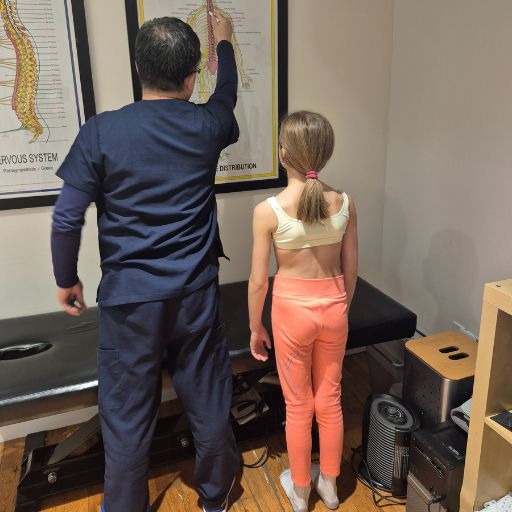
Juvenile scoliosis is diagnosed in children between the ages of 4 and 10, affecting approximately 10% to 15% of all idiopathic scoliosis cases in children. Around 20% of children under 10 with a curve greater than 20 degrees Cobb angle may have an underlying spinal condition. Early detection is crucial, as it allows for non-invasive treatments to prevent progression and improve posture.
ADOLESCENTS
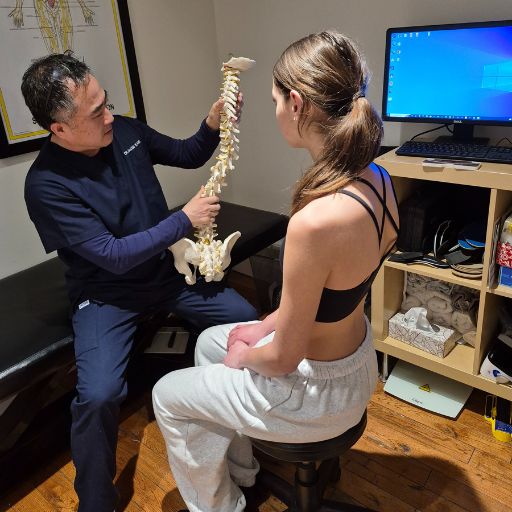
Adolescent scoliosis affects individuals between the ages of 10 and 18 and is most commonly idiopathic scoliosis, meaning the exact cause is unknown. Contributing factors may include muscle imbalances, hormonal changes, or asymmetric growth patterns. About 30% of cases have a family history, suggesting a genetic link. Proper monitoring and intervention can help manage and stabilize the condition.
ADULTS
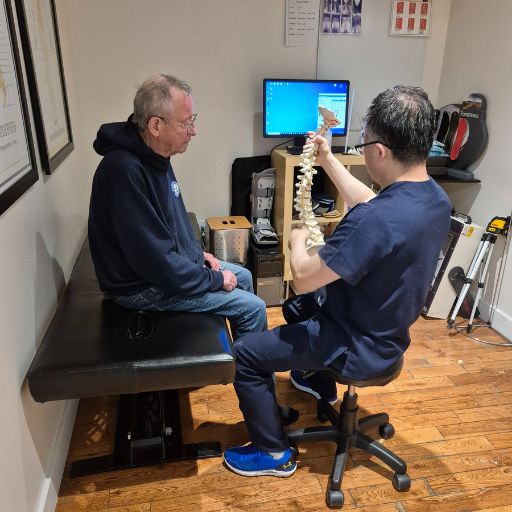
Adult scoliosis includes patients who developed scoliosis in their youth and those who experience degenerative scoliosis due to aging, spinal wear, or trauma. Without treatment, it can lead to pain, reduced mobility, and posture issues. A personalized program can stabilize scoliosis, reduce pain, and prevent worsening, especially for women before pregnancy. Early intervention improves long-term spinal health.
We Treat Most Spinal Problems
SCOLIOSIS
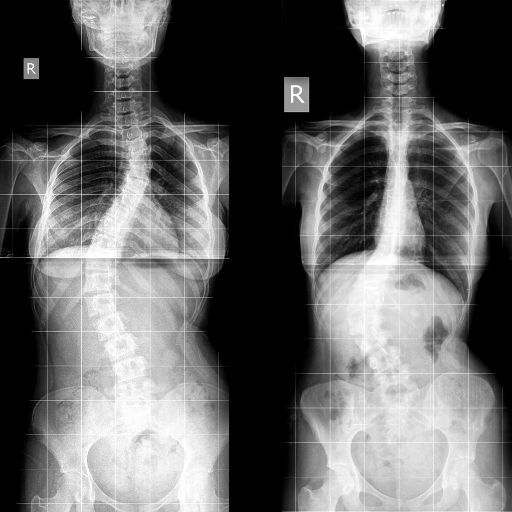
Scoliosis refers to a lateral curvature of a normally straight spine. Someone with a scoliosis may have a back that curve from side to side like an “S” or “C”. Scoliosis is a spine that not only curves sideways, but it also twists, and there is usually a loss of normal spinal curves when viewed from the side. It is a complex 3-dimensional condition of the spine that leads to muscle imbalance, poor posture, and increased pain. It is a progressive condition that worsens throughout your life.
KYPHOSIS
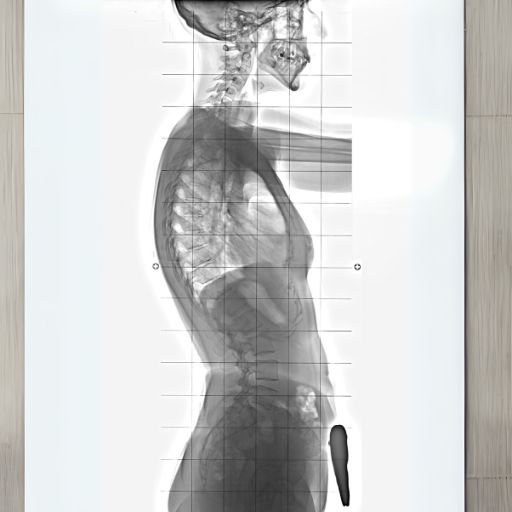
In a normal spine, when viewed from the side, there should be a rounding of the upper back from the shoulders to the bottom of the ribcage called thoracic kyphosis, and an opposite curve in the lower back called lumbar lordosis. These normal “sagittal” curves help keep the spine balanced. A normal thoracic kyphosis from the first thoracic to the twelfth thoracic vertebra should have a kyphosis in the range of 20 degrees to 40 degrees. When this angle exceeds 45 degrees, it is known as hyper-kyphosis. A Scheuermann’s kyphosis is a type of hyper-kyphosis that results from anterior wedging of three or more adjacent vertebrae. Usually, when the kyphosis is greater than 80 degrees, surgery may be recommended.
KYPHOSCOLIOSIS
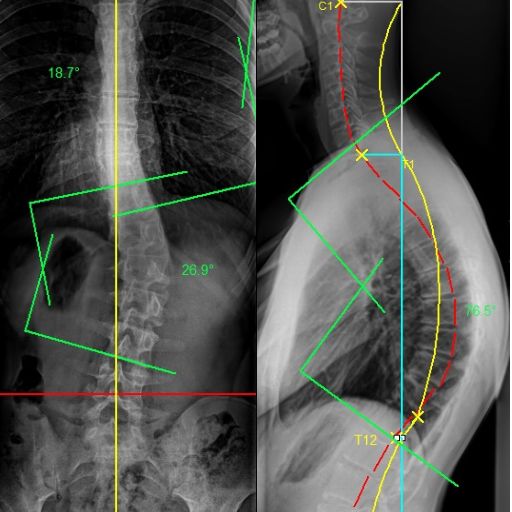
Kyphoscoliosis is a combination of scoliosis and kyphosis, creating a complex spinal curvature that requires specialized treatment. Managing both conditions simultaneously involves customized braces and therapy for maximum correction. Our clinics have extensive experience treating these challenging cases.
Understanding Kyphosis and Kyphoscoliosis
Comprehensive Care for Spinal Conditions
Kyphosis and kyphoscoliosis are spinal disorders characterized by an abnormal curvature of the spine. Kyphosis results in a forward rounding of the back, while kyphoscoliosis combines this curvature with a sideways twist. Symptoms may include back pain, stiffness, and in severe cases, breathing difficulties. Our clinic offers a range of treatment options, from physical therapy and bracing to advanced surgical interventions, tailored to each patient’s specific condition and needs.
Book Your Free Consultation
Whether you feel prepared to embark on scoliosis treatment or if you have additional inquiries, we encourage you to reach out and connect with our dedicated team.